
Tag

local traditions

Browsing

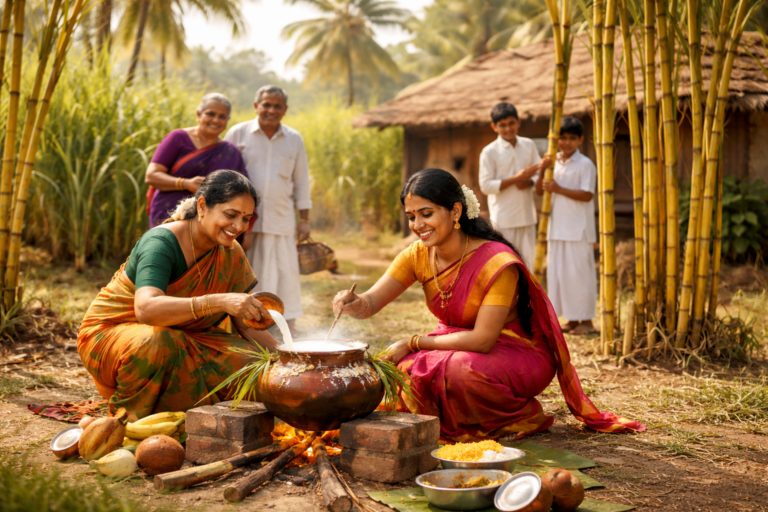
Pongal is often seen as a four-day festival marked on the calendar — a time for holidays, family lunches, sugarcane, kolams, and overflowing pots of freshly cooked rice. But in its truest sense, Pongal is not just an event. It is a way of life.

At its heart, Pongal celebrates gratitude — to the sun, the soil, the cattle, the farmers, and the simple rhythms of nature that sustain us every single day.

Pongal Is About Gratitude, Not Just Celebration

The word “Pongal” itself means to overflow — a symbolic reminder of abundance. But abundance doesn’t come from excess; it comes from balance.

Traditionally, Pongal teaches us to:

  • Wake up with the sun

  • Eat what is local and seasonal

  • Respect the hands that grow our food

  • Celebrate simplicity over excess

These aren’t ideas meant for just one week in January. They are values worth practicing all year long.

Living the Pongal Mindset Daily

To celebrate Pongal as a way of life is to:

  • Choose mindful consumption over mindless indulgence

  • Support local farmers, artisans, and small businesses

  • Respect food by avoiding waste

  • Create moments of pause, gratitude, and connection

In a fast-paced urban world, these values become even more meaningful. Pongal reminds us to slow down — even if life doesn’t allow us to stop completely.

Pongal in the City: Where Tradition Meets Modern Living

You don’t need sprawling fields or village homes to live the Pongal spirit. Sometimes, it’s about how thoughtfully traditions are adapted to modern spaces.

That’s where places like Mango Hill Central Chennai come in — seamlessly blending comfort, culture, and conscious living in the heart of the city.

Within it, THE NEIGHBORHOOD BAR brings the Pongal philosophy alive in a contemporary setting:

  • Food that respects tradition while embracing modern tastes

  • A warm, unpretentious space designed for conversations

  • A place where gatherings feel personal, not rushed

Here, Pongal isn’t just celebrated during a festival week — it’s reflected in the spirit of togetherness, mindful dining, and community living.

Why Pongal as a Way of Life Matters Today

In a time of instant gratification and constant noise, Pongal gently reminds us:

  • To be thankful before being ambitious

  • To value roots even as we grow

  • To celebrate progress without forgetting tradition

Living Pongal every day doesn’t require rituals or decorations. It starts with intention.

Closing Thought

Pongal doesn’t end when the holidays do.

It continues every time you choose gratitude over complaint, simplicity over excess, and connection over convenience.

And if you’re looking to experience this philosophy in an urban setting — Mango Hill Central Chennai, along with THE NEIGHBORHOOD BAR, offers a beautiful reminder that tradition and modern life don’t have to be opposites. They can — and should — coexist.

Kodaikanal, a picturesque hill station in Tamil Nadu, is not only known for its stunning landscapes and pleasant climate but also for its rich cultural heritage. Nestled among rolling hills and lush forests, Kodaikanal boasts a blend of traditional practices, architectural marvels, and vibrant festivals that reflect the region’s diverse history and the way of life of its people.

Temples: Spiritual Sanctuaries

The spiritual essence of Kodaikanal is evident in its temples, which serve as important cultural and religious sites for locals and visitors alike.

  1. Kodaikanal Mariamman Temple: This temple is dedicated to the goddess Mariamman, known for her healing powers and blessings. The annual festival here attracts many devotees, showcasing traditional rituals, music, and dance. The temple’s architecture, adorned with intricate carvings and sculptures, provides insight into the artistry of South Indian temple design.
  2. Devonshire Church: Built in the 19th century, this church stands as a testament to the colonial influence on Kodaikanal. With its beautiful stained glass windows and serene surroundings, it offers a tranquil space for reflection and worship. The church holds regular services and is a popular spot for both locals and tourists.
  3. La Salette Church: Nestled amidst scenic views, this church is known for its unique architecture and peaceful ambiance. It is a center for various community events and religious celebrations, fostering a sense of togetherness among the local population.

Festivals: Celebrating Life and Tradition

Festivals in Kodaikanal are vibrant affairs, filled with color, music, and a sense of community.

  1. Pongal: This harvest festival, celebrated in January, is a time of joy and gratitude. Locals prepare traditional dishes, especially sweet rice, and decorate their homes with kolams (rangoli). The festival symbolizes prosperity and the importance of agriculture in the region.
  2. Deepavali: Known as the Festival of Lights, Deepavali is celebrated with great enthusiasm in Kodaikanal. Homes are adorned with oil lamps, and fireworks light up the night sky. The festival emphasizes the victory of light over darkness and good over evil, bringing families together in celebration.
  3. Maha Shivaratri: This festival dedicated to Lord Shiva sees devotees engaging in night-long prayers and rituals. Temples are beautifully decorated, and the atmosphere is charged with spirituality and devotion.

Local Traditions: A Tapestry of Heritage

The traditions of Kodaikanal reflect the lifestyle and values of its people, passed down through generations.

  1. Traditional Cuisine: The local cuisine is a fusion of flavors, with rice as a staple. Dishes like idli, dosa, and sambar are commonly enjoyed, along with unique local specialties. Festivals often feature traditional foods that are prepared with love and shared among family and friends.
  2. Arts and Crafts: Kodaikanal is home to various crafts, including handwoven textiles and bamboo crafts. Local artisans showcase their skills, preserving age-old techniques and contributing to the cultural landscape of the region.
  3. Folklore and Music: The oral traditions of Kodaikanal are rich with folklore, tales of deities, and local heroes. Music, often performed during festivals and community gatherings, plays a vital role in expressing cultural identity and fostering social bonds.

Conclusion

Kodaikanal’s cultural heritage is a captivating blend of spirituality, celebration, and tradition. The temples, festivals, and local customs create a vibrant tapestry that reflects the unique identity of this hill station. As you explore Kodaikanal, take the time to immerse yourself in its cultural richness, and you will discover a deeper appreciation for the heritage that shapes this beautiful destination.